
Article published in Ouest-France on June 23, 2026
Groundbreaking for the future Museum of Wartime Captivity (Mucap), located in Ravenoville (Manche), will take place in October 2026. The museum is expected to open in 2028.
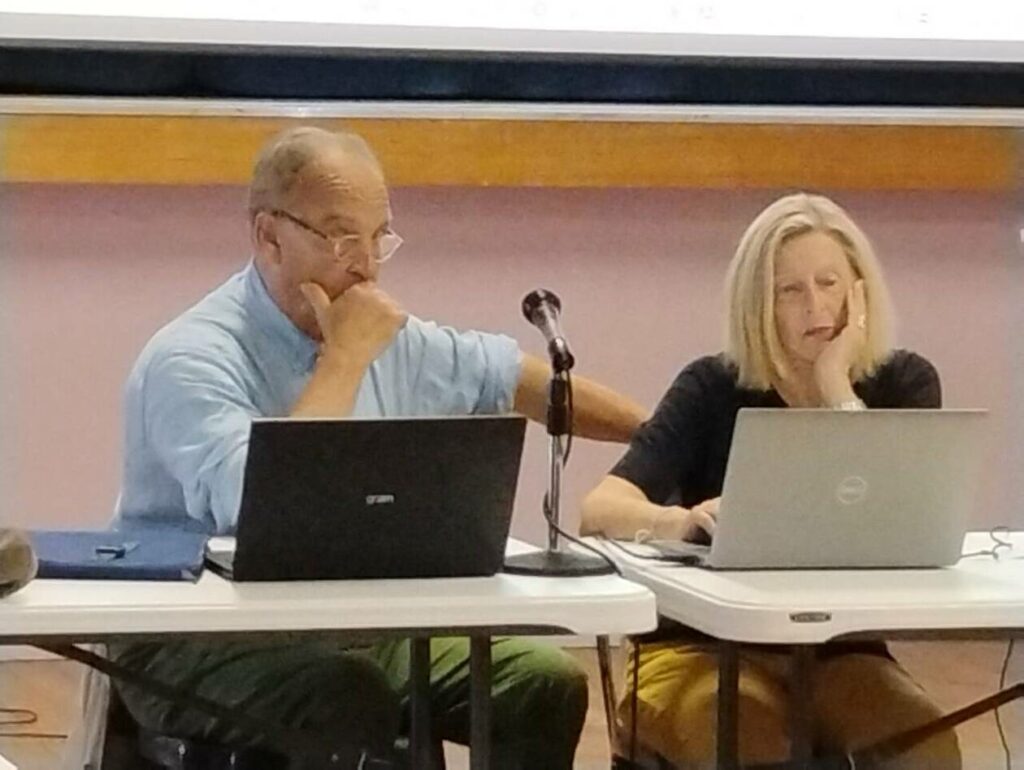
Dominique Imbert, president of the Warren J. Kennedy Foundation—the organization behind the Museum of Wartime Captivity—and Maya Duburch, project leader for the planned museum in the village of Ravenoville, came on Thursday, June 18, 2026, to share the good news with the town council: 2026 will mark the start of construction.
After being spearheaded by Pierre Aubril, former mayor of Ravenoville, and Alain Holley, former mayor of Sainte-Mère-Église, the project will now be finalized under Yohann Letouzé, the new mayor of Sainte-Mère-Église.
Ten years of hard work
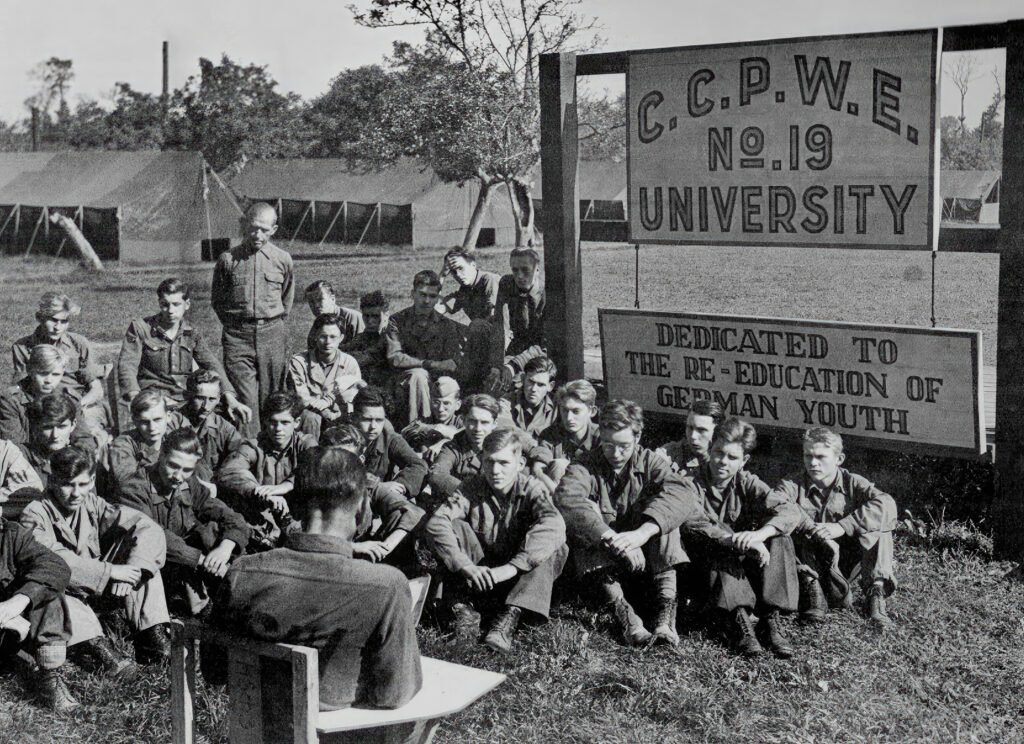
It all began in 2016. An exhibition atthe Airborne Museum, organized by the then-deputy mayor Elisabeth Imbert and her team of volunteers, tells the little-known story of Continental Enclosure No. 19, the largest German prisoner-of-war camp in Europe, established by the U.S. Army in 1944 in the village of Foucarville. It was a world that combined imprisonment, labor, and reeducation in democracy. It is estimated that 100,000 men—both officers and infantrymen—passed through it, many of whom were very young.
In 2017, the book *German Prisoners in Normandy* by Anne Broillard and Benoît Noël built a bridge across the Atlantic to the daughter of Colonel Kennedy, the camp commander.
By 2026, the project—backed by public agencies, sponsors, and institutions—is well on its way to becoming a reality. After ten years of hard work, the call for bids has been issued. We have 49 bidders for the structural work and 39 for the set design.
“Financially, we’re still working on it a bit, but it’s funded
,” the president assures us. The funding comes from both public and private sources.
A museum on a human scale
The museum will consist of three buildings set in a lush green setting and a lookout point offering a view of the camp’s location. The entire complex will feature architecture that respects the surroundings
.
As for the museum’s exhibition design, we will display many objects and documents to offer an intimate glimpse into the prisoners’ lives
. The museum aims to be on a human scale, featuring many personal stories
. But the concept goes further by comparing other forms of captivity experienced by German soldiers—in England or elsewhere in France—where the haunting memory of Nazi cruelty was more palpable than in the American camp.
In short, this post-war museum is a new attraction
. It is scheduled to open in October 2028. It is expected to draw 80,000 visitors annually.